October is a month of transition in Iceland. The busy summer season has come to an end, the nights are drawing in, and winter is beginning to make itself known.
For travellers, that means fewer crowds, a chance of seeing the Northern Lights and enough daylight left to explore well beyond Reykjavík.
The weather can change quickly, and the first snow is certainly possible, but October can still be an excellent month for travelling around Iceland. Many of the country’s most popular sights remain accessible, while Reykjavík settles into a quieter rhythm after summer.
If you’re spending some of your trip in the capital, join us for a Reykjavík walking tour. We’ll introduce you to the city, its history and its people, and help you get your bearings before you head further afield.
Halloween in Iceland | Ghosts, Folklore and Winter Nights

Halloween is a relatively recent addition to the Icelandic calendar. You’ll see costumes, parties and the occasional carved pumpkin in Reykjavík, but Halloween has never traditionally held the same place here as it does in Britain, Ireland or North America.
Ghost stories, on the other hand, are another matter.
Icelandic folklore is full of ghosts, elves, trolls and other supernatural beings, with stories passed down through generations.
On our Reykjavík Folklore Walking Tour, you can hear some of these tales, including stories of elves and trolls and some of Iceland’s best-known ghosts.
October also has an older connection with the changing seasons. In the traditional Icelandic calendar, the first day of winter falls on a Saturday in late October. In the Old Norse world, the beginning of winter was associated with Veturnætur, or Winter Nights, a seasonal observance marking the transition from summer into winter.
That makes late October an atmospheric time to explore Icelandic folklore. The nights are growing longer, winter is approaching, and centuries of stories about ghosts and hidden people suddenly feel a little less distant.
Northern Lights in Iceland in October
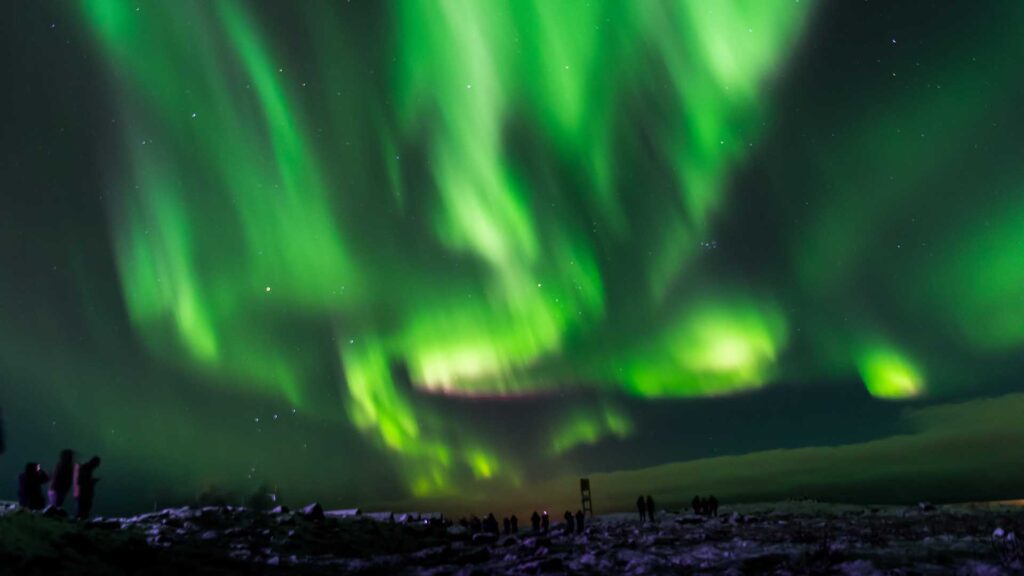
October is a good time to see the Northern Lights in Iceland. The nights grow noticeably longer throughout the month, giving you plenty of hours of darkness without the very short days of midwinter.
Seeing the aurora is never guaranteed. You need a combination of darkness, clear skies and enough solar activity, so it pays to keep an eye on the forecast throughout your stay. You can sometimes see the Northern Lights from Reykjavík itself, although getting away from the city’s brightest lights can give you a better view.
Before heading out, check the Icelandic Met Office’s aurora forecast, which shows both predicted auroral activity and cloud cover across Iceland.
Things to Do in Iceland in October
October sits between Iceland’s busy summer season and the arrival of winter, so you can still enjoy many outdoor activities while travelling with fewer visitors around you.
Waterfalls, geothermal areas, black-sand beaches and the major sightseeing routes remain accessible, although weather and road conditions can change quickly at this time of year.
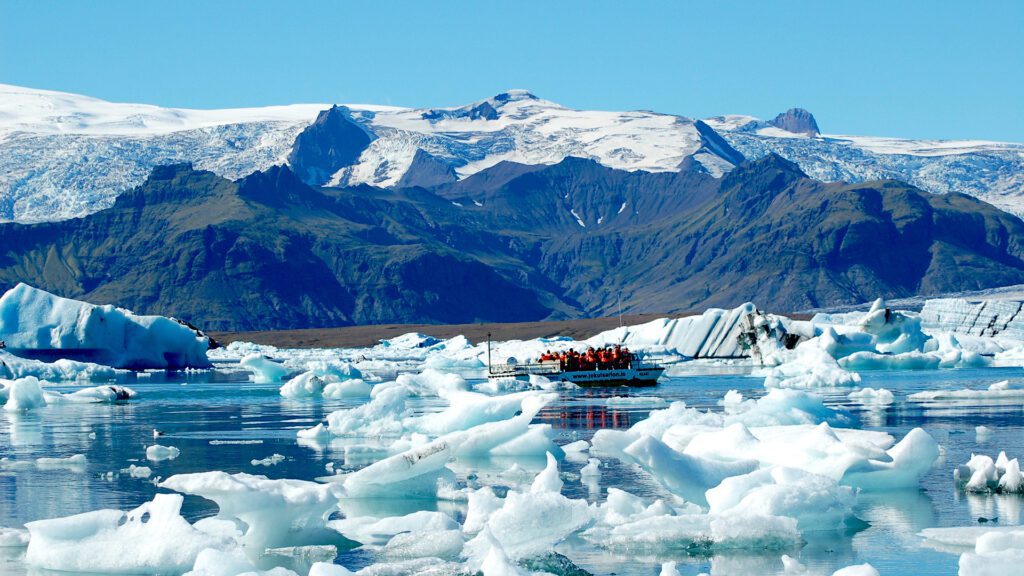
One particularly memorable October experience is Jökulsárlón glacier lagoon in southeast Iceland. Icebergs break away from Breiðamerkurjökull and drift across the lagoon before eventually making their way towards the Atlantic.
Seasonal boat tours can take you among the icebergs, with the surrounding glaciers and mountains providing a spectacular backdrop.
October is towards the end of the usual boat-tour season, so check availability and conditions before making the journey.
Best Things to Do in Reykjavík in October
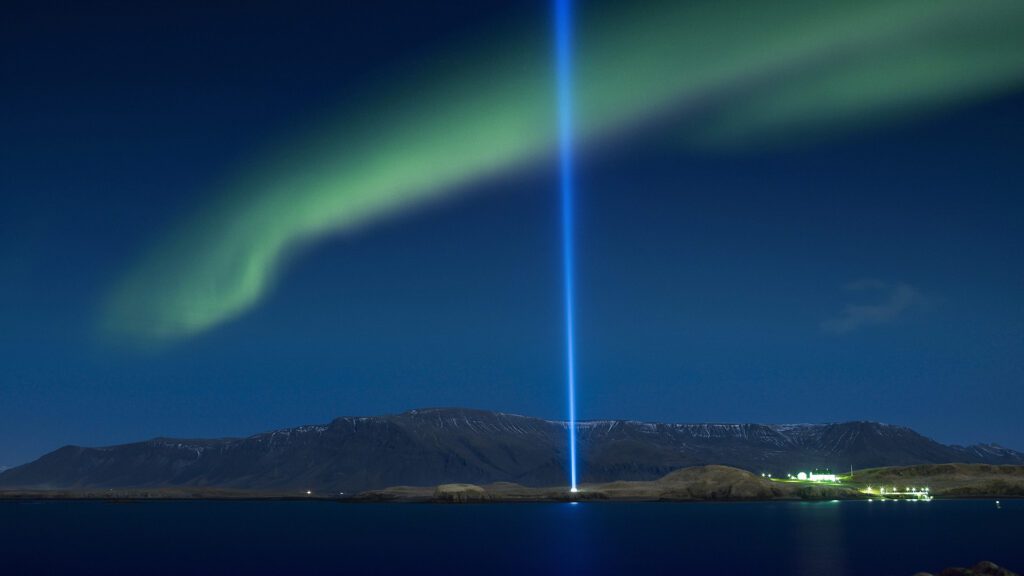
One of Reykjavík’s most distinctive October events takes place on October 9, when the Imagine Peace Tower is illuminated on Viðey Island to mark John Lennon’s birthday.
Created by Yoko Ono in his memory, the beam of light rises from the island just off Reykjavík and remains illuminated each evening until December 8.
Viðey is worth exploring in its own right, with walking paths, historic buildings and views across the water towards Reykjavík and the surrounding mountains. If you’re visiting around October 9, look out for special ferry services connected with the lighting of the tower.
Back in the city, October is a good month to explore Reykjavík on foot. The Old Harbour, Hallgrímskirkja, Tjörnin and the old streets of the city centre are all within easy walking distance, while whale-watching tours continue to depart from the harbour when conditions allow.
If you’d like to get to know the city with a local, you can combine a Reykjavík walking tour with whale watching or explore at your own pace with one of our private Reykjavík walking tours.
What to Eat in Reykjavík in October

Cooler October days are a good excuse to seek out some of Iceland’s more comforting traditional food. Start with plokkfiskur, a classic Icelandic fish stew usually made with white fish, potatoes and onions in a creamy sauce. It’s simple, filling and still a favourite in Icelandic homes.
For something sweet, try kleinur. These traditional twisted pastries are lightly spiced and fried, and go particularly well with a hot cup of coffee on a cold Reykjavík afternoon.
You can try both, along with several other Icelandic favourites, on our Reykjavík Food Lovers Tour, while learning how Iceland’s food culture has developed from traditional staples to what you’ll find around the city today.
Weather in Iceland in October
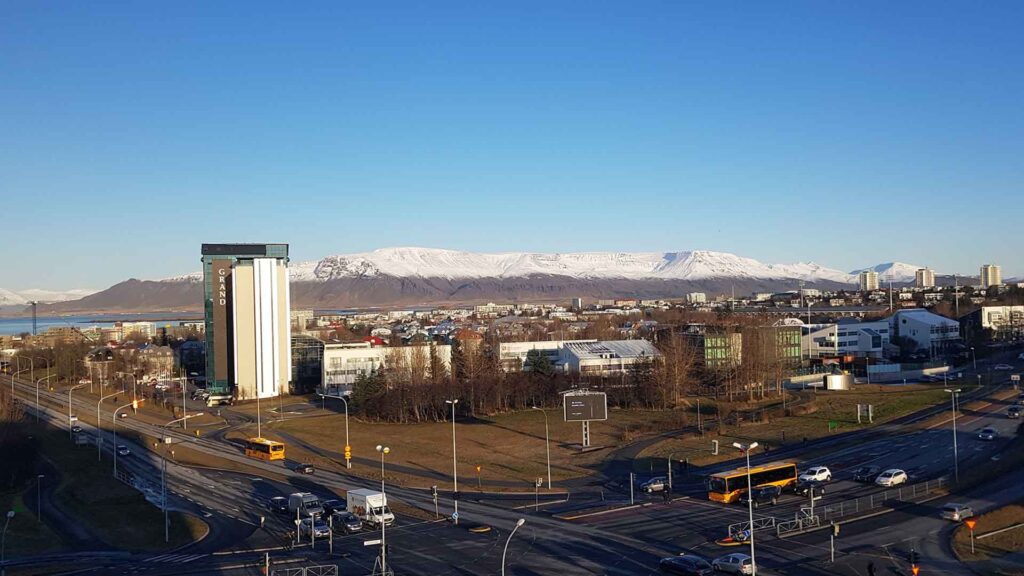
October weather in Iceland can be unpredictable. In Reykjavík, daytime temperatures are typically in the single digits, although warmer days and temperatures around freezing are both possible. Rain and strong winds are common, and you may encounter the first snow of the season, particularly outside the capital and at higher elevations.
The biggest change during October is the loss of daylight. At the beginning of the month, Reykjavík has close to 12 hours between sunrise and sunset. By the end of October, that has fallen to around eight hours. If you’re driving or planning longer day trips, it’s worth keeping this in mind when putting together your itinerary.
Conditions can change quickly in Iceland at this time of year, so check the weather forecast and road conditions before travelling outside Reykjavík. A waterproof outer layer and warm layers underneath will make a considerable difference, even when the temperature itself doesn’t look particularly cold.
What to Pack for Iceland in October
Packing for Iceland in October is mostly about being prepared for changing conditions. You might have sunshine in the morning, rain in the afternoon and strong winds by evening, so clothing that can be added or removed throughout the day is the safest approach.
Bring a waterproof and windproof outer layer, warm mid-layers, comfortable waterproof shoes, and a hat and gloves. If you’re heading beyond Reykjavík, particularly on longer day trips, it’s worth carrying an extra warm layer in case the weather changes.
You won’t need to dress for the depths of an Icelandic winter, but don’t underestimate the wind and rain. A temperature of 5°C can feel considerably colder when you’re standing beside a waterfall in strong wind.
And yes, bring sunglasses. Low autumn sunlight can be surprisingly bright, particularly when you’re driving.
Explore Reykjavík with a Local This October
October is a rewarding time to visit Iceland. Reykjavík is quieter than during the summer months, the Northern Lights have returned to the night sky, and there is still plenty of daylight for exploring the city and travelling further afield.
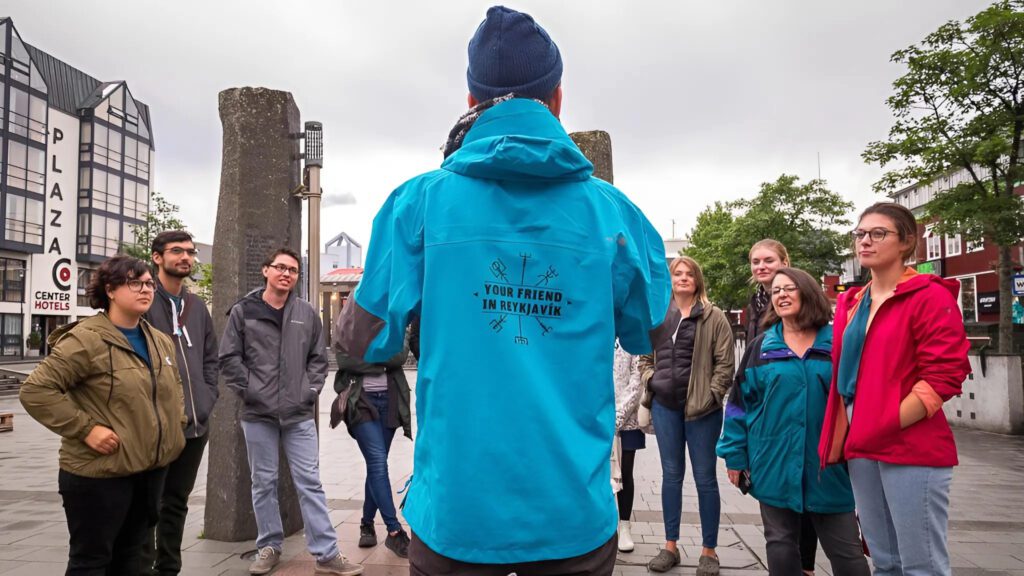
If you’re spending time in the capital, join Your Friend in Reykjavík on a walking tour and discover the history, food, folklore and everyday life of the city with a local guide.
And if you’re still planning your trip, sign up for our newsletter for more Reykjavík recommendations, Icelandic stories and practical advice for your visit.