Two days in Reykjavík might not sound like much, but Iceland’s capital is surprisingly easy to explore in a short visit.
The city center is compact, many of its best-known attractions are within walking distance of one another, and there’s plenty to discover beyond the usual sightseeing stops.
Whether you’re visiting Iceland for a weekend, spending a couple of nights before a road trip, or stopping over on your way across the Atlantic, 48 hours gives you enough time to experience Reykjavík’s history, food, culture, and everyday life.
Here’s how we’d recommend spending two days in our hometown.
Day One: Discover Downtown Reykjavík
Morning: Start with Reykjavík’s most famous landmarks
Begin your first morning with breakfast and coffee in downtown Reykjavík. You’ll find plenty of independent cafés and bakeries around Laugavegur, Skólavörðustígur, and the surrounding streets.
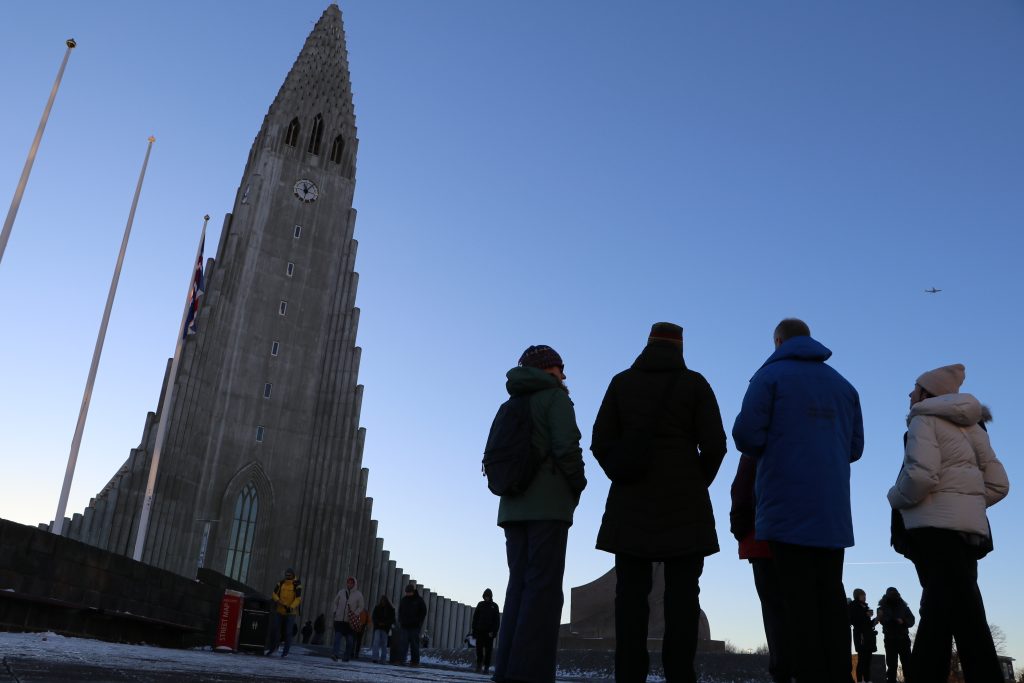
Once you’re ready to explore, head toward Hallgrímskirkja, the enormous church that dominates Reykjavík’s skyline.
Named after the Icelandic poet and clergyman Hallgrímur Pétursson, the church took more than 40 years to complete. Its distinctive design was inspired by Iceland’s natural landscape, particularly the basalt columns found throughout the country.
If the observation tower is open, it’s worth heading up for panoramic views across the city’s colorful rooftops, harbor, and surrounding mountains.
Outside, you’ll find the statue of Leifur Eiríksson, the Norse explorer believed to have reached North America centuries before Columbus.
From here, walk down Skólavörðustígur, often called Rainbow Street because of its brightly painted section leading toward the church.
Continue toward Laugavegur, Reykjavík’s main shopping street, where you’ll find everything from Icelandic clothing and design shops to bookstores, cafés, and restaurants.
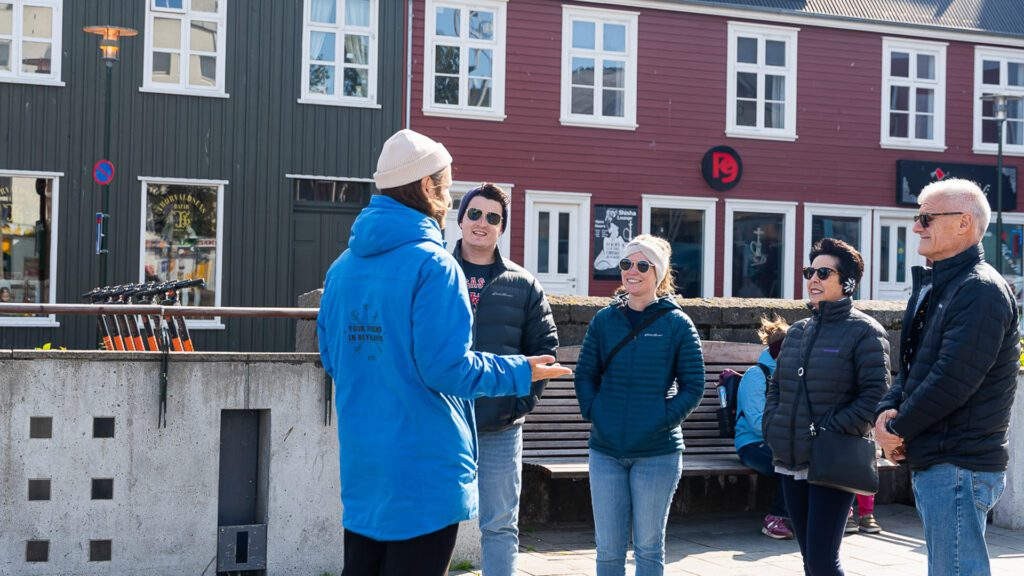
Late Morning: Get to know the city with a local
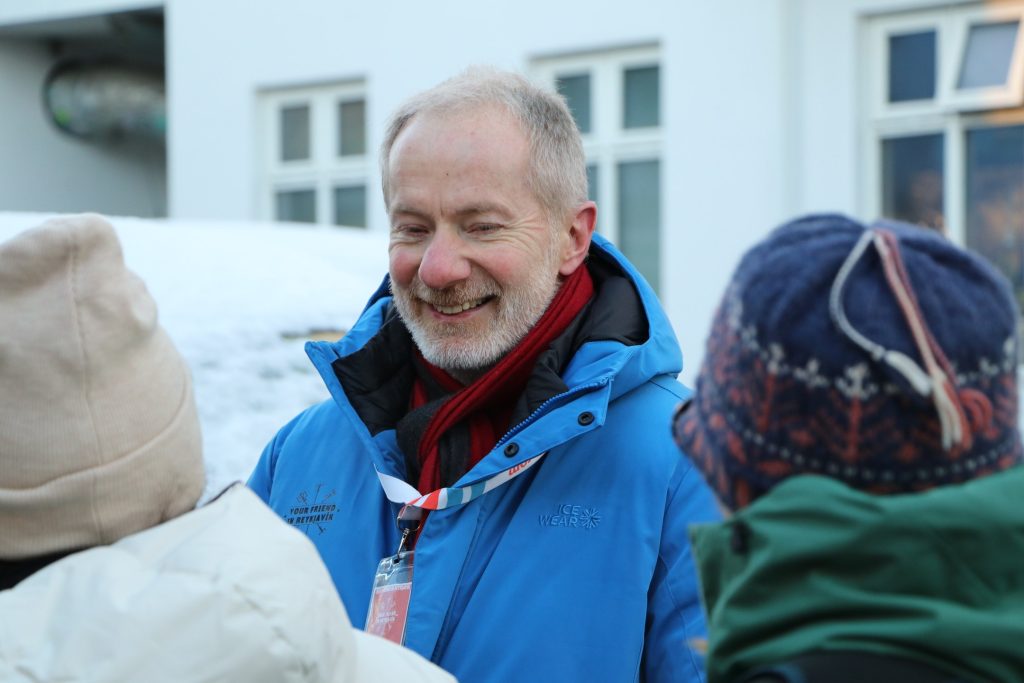
One of the best ways to understand Reykjavík is to explore it with someone who lives here.
The city’s history is full of interesting characters, unusual traditions, and stories that aren’t immediately obvious when you’re walking around on your own.
On our Walk with a Viking Reykjavík Walking Tour, you’ll discover the history of the city, learn about Icelandic culture, and hear some of the stories behind its most recognizable landmarks.
It’s also a useful way to get your bearings at the beginning of your stay. Your guide can recommend places to eat, things to see, and other activities worth fitting into your visit.
Afternoon: Explore the Old Harbor

After lunch, make your way toward Reykjavík’s Old Harbor.
Once the center of the city’s fishing industry, the harbor has developed into a lively waterfront neighborhood with restaurants, museums, galleries, and opportunities to head out onto Faxaflói Bay.
It’s still a working harbor, and fishing boats remain part of the scenery.
Take some time to explore the surrounding streets, enjoy the views across the water, or visit one of the area’s museums.
The Reykjavík Maritime Museum is a particularly good choice if you’re interested in the relationship between Iceland and the sea. Fishing has shaped the country’s economy, communities, and identity for generations.
If you’re visiting during whale-watching season, you might also consider joining a boat excursion. Trips operate at different times of year, although weather and sea conditions can affect departures.
Evening: Experience Reykjavík’s food scene
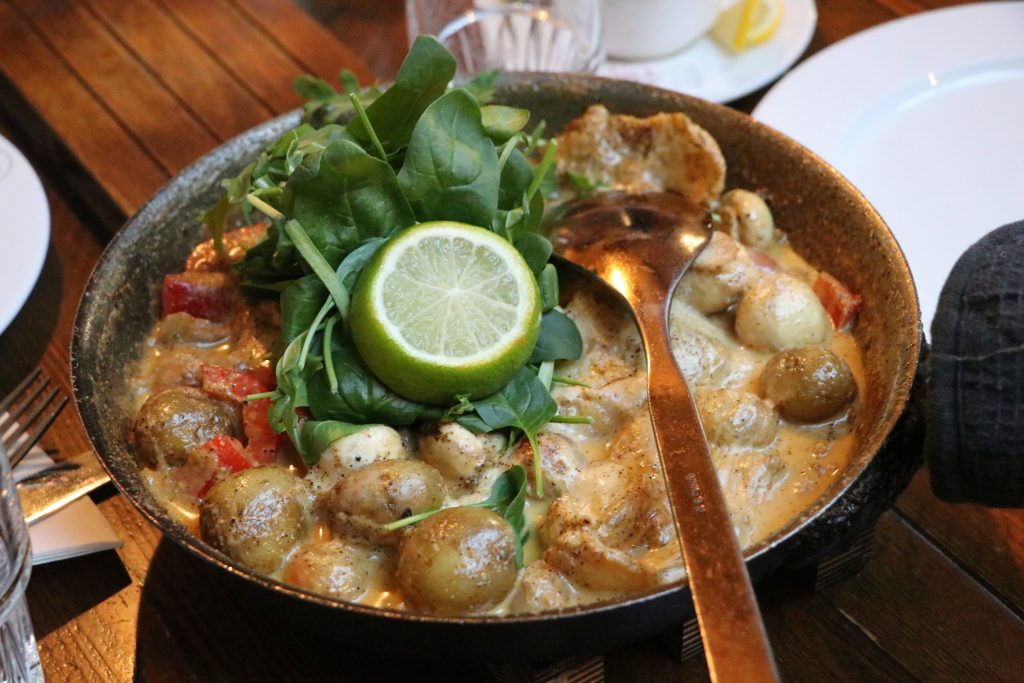
Reykjavík has an increasingly varied food scene, combining traditional Icelandic ingredients with international influences.
You’ll find everything from casual street food to more elaborate dining experiences, with plenty of vegetarian and vegan options available too.
For visitors interested in learning about Iceland through its food, an evening food tour is a particularly enjoyable option.
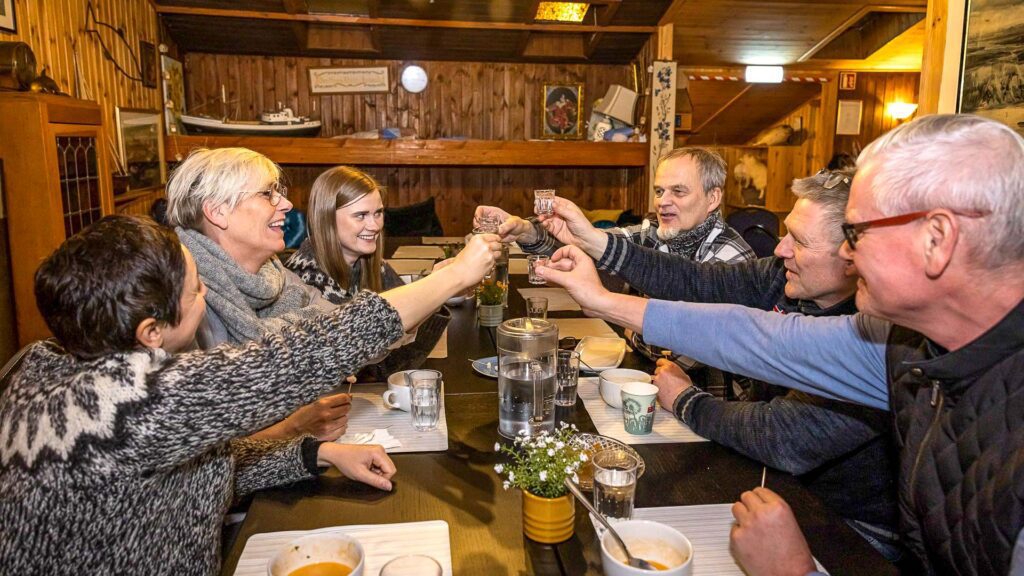
Our Reykjavík Food Lovers Tour combines tastings at local establishments with stories about Icelandic food traditions and the city’s culinary development.
It’s a chance to try several different dishes rather than choosing just one restaurant, and you’ll get to know a little more about Reykjavík along the way.
If you prefer to explore independently, choose somewhere downtown for dinner and finish your evening with a drink at one of the city’s many bars.
Reykjavík’s nightlife is famously lively, especially on Friday and Saturday evenings, although there’s no obligation to stay out until the early hours.
Day Two: Culture, Coastline, and Icelandic Traditions
Morning: Walk along Reykjavík’s waterfront
Start your second day with a walk along the waterfront.
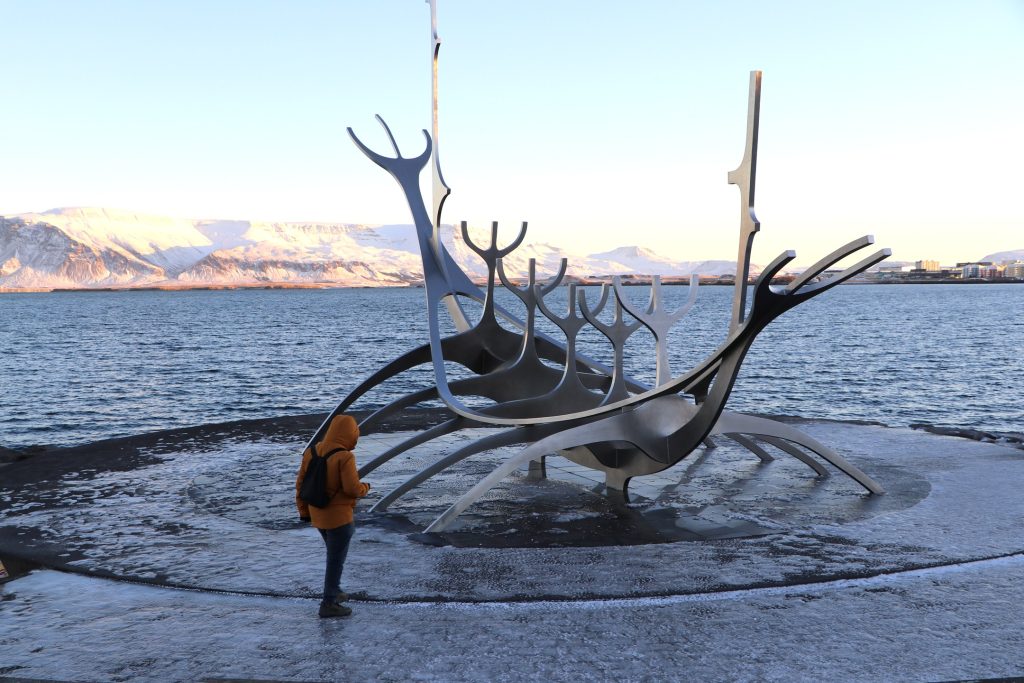
One of the most recognizable sights here is the Sun Voyager, or Sólfar, a striking steel sculpture by Icelandic artist Jón Gunnar Árnason.
Although it resembles a Viking ship, the sculpture was conceived as a dreamboat and an ode to the sun, representing hope, progress, and the promise of undiscovered territory.
It’s a popular photography spot, particularly when the mountains across the bay are visible.
Continue toward Harpa Concert Hall, another of Reykjavík’s architectural highlights.
Opened in 2011, Harpa is known for its distinctive glass façade, designed in collaboration with Icelandic-Danish artist Ólafur Elíasson.
The building reflects the changing light and weather, making it interesting to see at different times of day.
Even if you’re not attending a concert, it’s worth stopping to admire the architecture and look inside when the building is open to visitors.
Late Morning: Discover Icelandic art and history

Reykjavík has several excellent museums, and you don’t need to be an art enthusiast or history expert to enjoy them.
The National Museum of Iceland offers a broad introduction to the country’s history, from the settlement period to modern times.
Alternatively, the Reykjavík Art Museum operates across several locations, showcasing Icelandic and international art.
If you’d prefer something outdoors, consider visiting the Einar Jónsson Sculpture Garden near Hallgrímskirkja.
The garden contains works by one of Iceland’s most important sculptors and is free to enter. It’s a peaceful place to spend a little time away from the busier shopping streets.
The adjoining museum has separate admission arrangements, so check its opening hours if you’d like to explore the indoor collection.
Afternoon: Enjoy Reykjavík like a local
After a busy day and a half of sightseeing, it’s worth slowing down.
One of our favorite recommendations is to visit a local geothermal swimming pool.
Swimming is an important part of everyday life in Iceland, and Reykjavík has several public pools where residents gather to swim, relax, and chat in the hot tubs.
Unlike the country’s famous geothermal spas, these are ordinary community facilities, although the naturally heated water makes them feel rather special to visitors.
Sundhöllin, near downtown Reykjavík, is a convenient choice if you’re staying centrally.
Remember to shower thoroughly without a swimsuit before entering the pool, as required by Icelandic swimming pool hygiene rules.
If swimming isn’t your thing, spend the afternoon exploring more of the city.
You could visit the shops along Laugavegur, stop for coffee and cake, browse Icelandic design stores, or simply wander through the quieter residential streets.
Sometimes the most memorable part of visiting a new city is having enough time to enjoy it without rushing.
Evening: Choose your own Icelandic experience

How you spend your final evening will depend partly on the season.
If you’re visiting between autumn and spring, you might consider joining a Northern Lights excursion.
The aurora borealis can sometimes be seen from Reykjavík itself, but heading away from the city’s artificial lighting generally improves your chances when conditions are favorable.
Remember that Northern Lights sightings are never guaranteed. Clear skies, suitable solar activity, and a little luck are all important.
During the summer, when Reykjavík enjoys extraordinarily long daylight hours, you might prefer another evening walk, a coastal excursion, or a relaxed meal outdoors if the weather cooperates.
Alternatively, use your final evening to revisit somewhere you particularly enjoyed on your first day.
There’s no need to fill every hour of your trip.
Can You Explore Reykjavík Without a Car?
Absolutely.
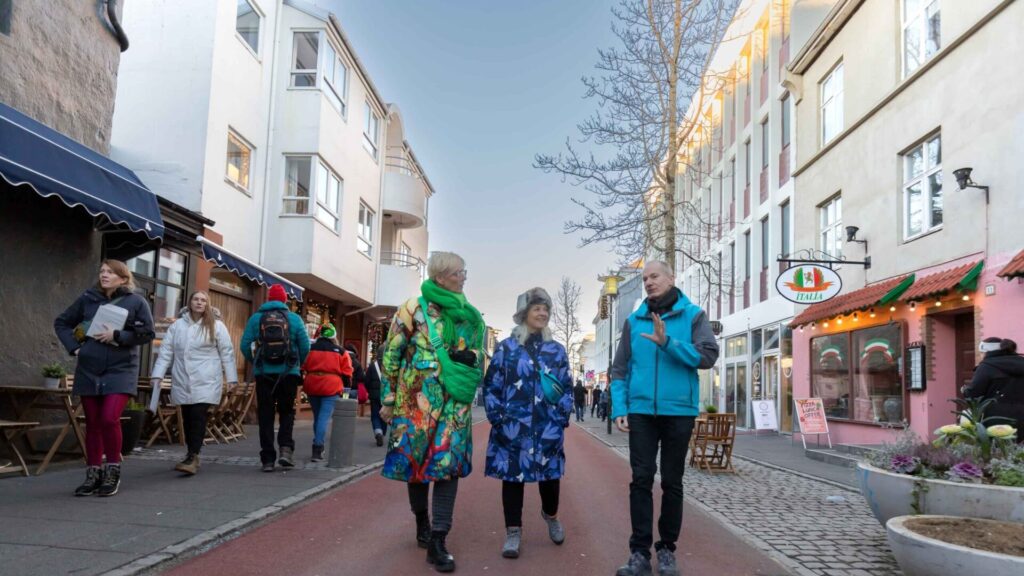
One of the advantages of Reykjavík is that its central neighborhoods are very walkable.
Most of the attractions mentioned in this itinerary can be reached on foot, although you’ll need a little more time to visit places farther from the center.
Public buses are available for longer journeys, and taxis can be useful when you’re carrying luggage or traveling late.
If you’re planning to spend your entire visit in Reykjavík, renting a car generally isn’t necessary.
However, if you want to explore destinations beyond the capital, such as the Golden Circle sightseeing route or Iceland’s South Coast, you may prefer to join an organized excursion or arrange private transportation.
What If You Only Have One Day in Reykjavík?
If you’re visiting Reykjavík for just one day, concentrate on the city center rather than trying to see everything.
We’d recommend beginning at Hallgrímskirkja, walking through downtown, exploring the Old Harbor, and making time for a good meal.
A guided walking tour is an excellent way to cover several of the city’s highlights while learning about the history and culture behind them.
You can always save the museums, swimming pools, and longer excursions for another visit.
A Few Practical Tips for Your 48 Hours
Dress for the weather. Icelandic weather can change quickly, even during the summer. Bring layers, a waterproof outer layer, and comfortable shoes suitable for walking.
Check opening hours. Museums, restaurants, swimming pools, and attractions may have different schedules depending on the day and season.
Book popular activities ahead. Guided tours and special experiences can fill up, particularly during busy travel periods.
Allow time for meals. Reykjavík has plenty of interesting places to eat, so there’s no reason to rush through lunch or dinner.
Keep your itinerary flexible. If the weather is particularly unpleasant, swap an outdoor activity for a museum, café, or swimming pool.
Above all, remember that two days should feel like a holiday, not a race to complete a checklist.
Make the Most of Your Time in Reykjavík

Forty-eight hours in Reykjavík gives you a wonderful introduction to Iceland’s capital.
You can explore historic streets, admire remarkable architecture, sample local food, learn about Icelandic traditions, and enjoy the city’s distinctive atmosphere.
And while there’s plenty to see, Reykjavík is also a place where it’s worth taking your time.
At Your Friend in Reykjavík, we love introducing visitors to our city and sharing the stories, places, and experiences that make it special.
Whether you’d like to discover Reykjavík on a guided walking tour, explore its food scene, or arrange a private experience tailored to your interests, we’d be happy to help you make the most of your visit.
Explore our Reykjavík tours and start planning your Iceland adventure.