Iceland glacier guide for beginners
Thinking about stepping onto the ice for the first time? Here’s a clear, friendly primer guide so you know what you’re looking at, how to visit safely, and what to pack—without the jargon.
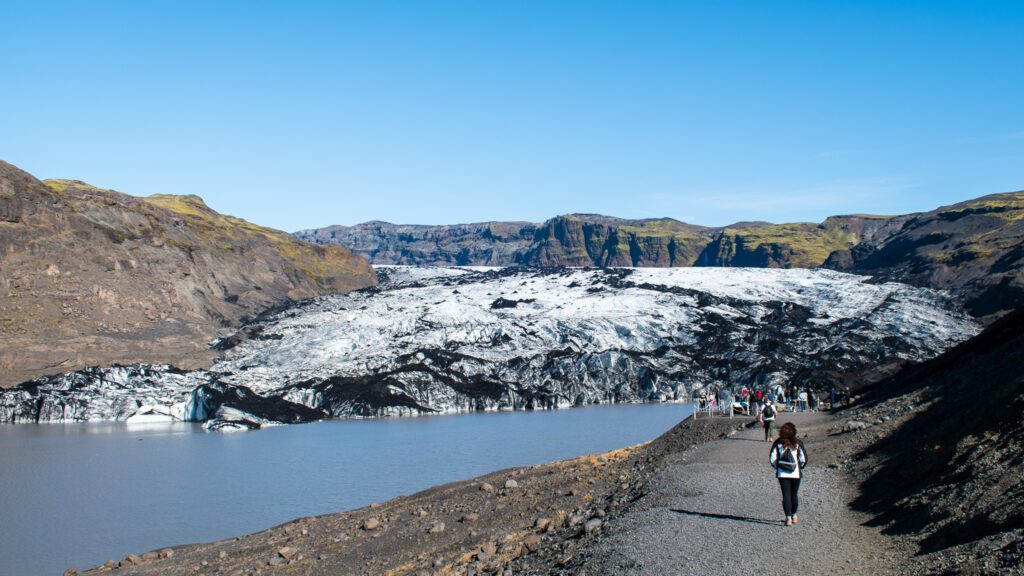
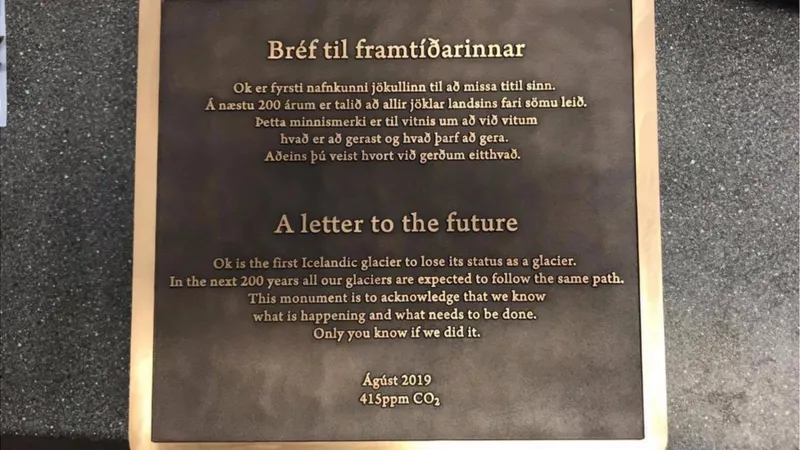
One more thing before we start: Iceland’s glaciers are changing fast. Sólheimajökull has retreated by roughly 2,000 metres over the last century, exposing a new lake in the valley—a change you can see with your own eyes on today’s trails. Iceland has even lost its first officially “dead” glacier, Okjökull (“Ok”), which stopped flowing in 2014 and received a memorial plaque in 2019.
What exactly is a glacier?
A glacier is a slow-moving river of compacted snow that’s turned into dense ice. It flows under its own weight, carving valleys, feeding rivers, and—here in Iceland—creating lagoons and black-sand outwash plains.
Key terms (in plain English):
- Ice cap / ice sheet: Big dome of ice (e.g., Vatnajökull).
- Outlet glacier / glacier tongue: A “spoke” flowing out from the dome (e.g., Sólheimajökull from Mýrdalsjökull).
- Crevasse: A crack in the surface—reason #1 to go with a guide.
- Moulin: A vertical shaft where meltwater dives inside the glacier.
Where are the main glaciers in Iceland?
- Vatnajökull (SE) – Europe’s largest ice cap; famous for winter ice caves and Jökulsárlón.
- Langjökull (W interior) – Home to snowmobiling and man-made ice tunnels; great for Superjeep adventures.
- Mýrdalsjökull (S coast) – Volcano-topped ice cap; its outlet Sólheimajökull is the classic beginner hike.
- Snæfellsjökull (W peninsula) – Iconic cone on the Snæfellsnes; gorgeous on clear days.
How do people visit?
- Guided glacier hike (crampons + helmet; age/fitness limits apply)
- Ice cave tour (mostly winter; natural caves vary by season) – consider our Inside the Ice tour!
- Snowmobile tour (fast, wide views; driver’s license required to drive) – try Snowmobile Adventure on Langjökull!
- Superjeep approach + short walk (good for families or low-impact days)
Tip: Go with certified guides. They manage route finding, safety gear, and rapidly changing weather/ice conditions.
Best time to go
- May–September: Longer days, milder temps, stable hiking on Sólheimajökull and Langjökull.
- October–April: Short days, colder, potential ice caves (prime season). Roads can be wintery—tours often include transport.
What to wear (year-round packing list)
- Footwear: Sturdy hiking boots with ankle support (no sneakers).
- Base layer: Moisture-wicking (no cotton).
- Mid layer: Fleece or light down.
- Shell: Windproof/waterproof jacket + pants.
- Accessories: Warm hat, Buff/neck gaiter, thin gloves (plus warmer spares).
- Daypack: 20–30L with water, snacks, sunglasses, sunscreen, phone power bank.
Provided on guided hikes: Crampons, helmet, ice axe. - For road and trail safety updates before you go, check SafeTravel.is
Safety 101 (read this bit)
- Stay behind guide lines and follow instructions exactly.
- Never step onto blue/steep/dirty ice without a guide—snow can hide crevasses.
- Mind the edges: glacier lagoons and ice shelves can calve unexpectedly.
- Weather wins. If a guide cancels or reroutes, that’s good judgment.
- For forecasts and alerts, see the Icelandic Meteorological Office